Transform Your External Area: Professional Landscaping Solutions
Transforming outdoor spaces is a complex undertaking. Many face obstacles such as poor soil, insufficient light, or vague ideas for their landscape. Expert landscaping professionals provide customized approaches that address these issues. They bring a rich understanding about local flora and eco-friendly methods. Their skill can make a substantial impact. What are the key benefits of employing expert designers, and how can they elevate your outdoor experience? The answers may surprise you.
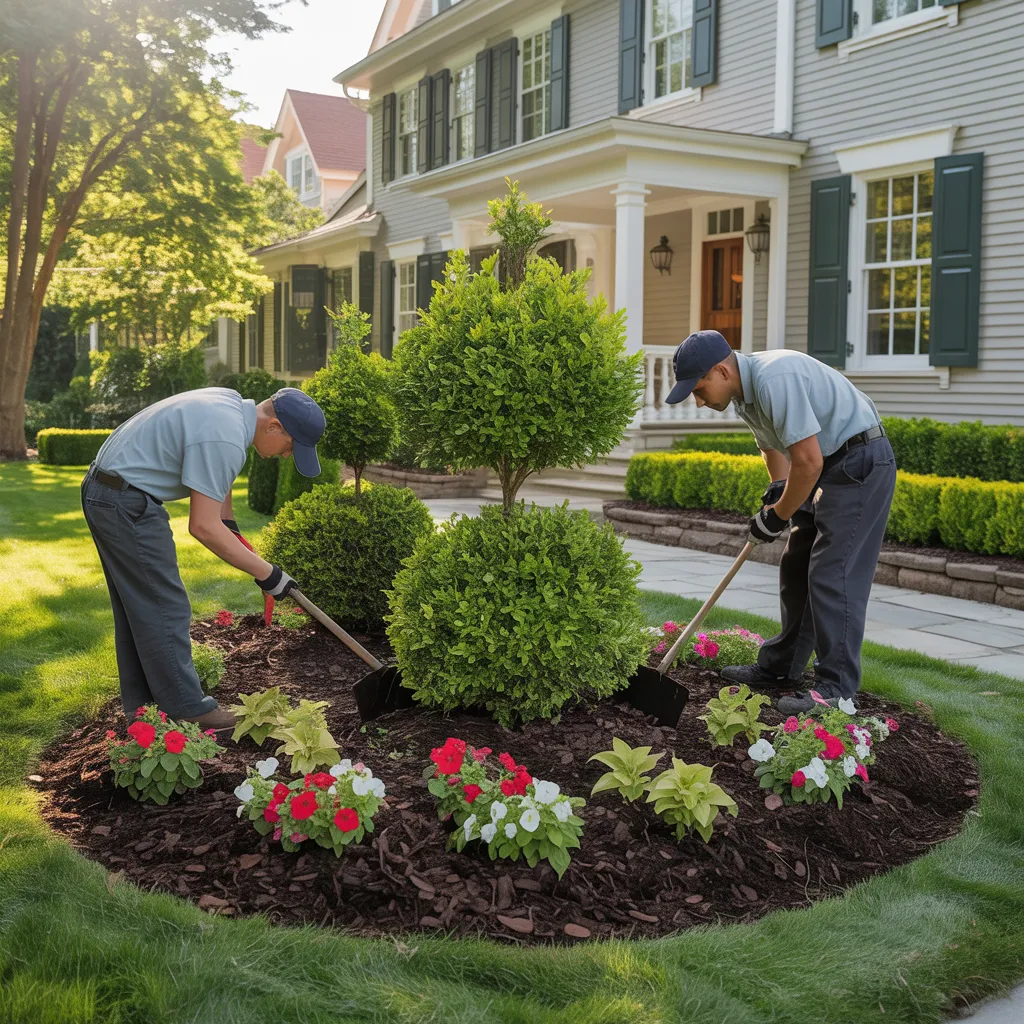
Common Landscape Design Challenges
When commencing on outdoor landscaping, many encounter difficulties that can hinder the undertaking. One common issue is insufficient planning, which can cause disconnected goals and implementation. Property owners often find it difficult to juggle aesthetics with functionality, producing spaces that may look appealing but neglect to fulfill their intended function. Additionally, grasping the regional climate and earth composition can pose challenges; inappropriate plant selections may cause stunted development or maintenance issues.
Budgetary constraints also represent a significant hurdle, as many miscalculate the costs associated with materials and labor. Time management proves critical, with delays in project timelines frequently arising from unforeseen complications. Ultimately, maneuvering through zoning laws and regulations can add another layer of intricacy, often requiring approvals or adherence to specific guidelines. These barriers can discourage people, highlighting the importance of a well-structured approach to landscape design.
Why Work With Skilled Landscape Designers?
Understanding the challenges of landscape design can often overwhelm even the most devoted homeowners. Different factors, such as choice of vegetation, landscape terrain, and irrigation systems, must be integrated to create a consistent outdoor space. Expert landscape designers hold the training and background essential to navigate these details effectively. They comprehend the local environmental conditions, soil conditions, and native vegetation, making certain the designs are both sustainable and aesthetically pleasing.
In addition, professionals lend a rich collection of creative ideas and progressive methods that satisfy personal choices and lifestyle needs. They can conceptualize the potential of a space, transforming commonplace landscapes into remarkable outdoor designs. Working with construction teams and observance of local regulations are key aspects where their skill proves invaluable. At the end of the day, contracting an expert landscape designer alleviates the burden of repetitive testing, allowing dwellers to benefit from a beautifully curated garden space tailored to their unique vision.
Top Strengths of Engaging Professional Landscape Designers
Retaining professional design professionals offers many benefits that can transform any outdoor space. First, their expertise ensures that concepts are not only aesthetically pleasing but also practical, accounting for factors like drainage, sunlight, and plant compatibility. This expertise helps prevent expensive errors that can result from DIY efforts.
Moreover, professional designers grant procurement of tools and personnel, such as superior materials and skilled labor, which can enhance the comprehensive standard of the project. They can similarly furnish tailored solutions that convey individual preferences while upholding municipal codes and green practices.
Also, the teamwork with a designer enables homeowners to communicate their vision effectively, producing a unified and balanced landscape. This partnership often generates creative solutions that homeowners might not have considered, maximizing the potential of the outdoor area. Ultimately, engaging a professional landscape designer transforms an ordinary space into a expertly designed environment.
Imaginative Vision for Your Outdoor Zone
Turning an outdoor space into a vibrant retreat can be achieved through a variety of creative ideas that cater to personal tastes and working needs. Incorporating diverse plant species can add texture and color, while tiered gardens enhance space and create a stunning visual impact. Outdoor seating areas can be refined with pleasant furniture, suitable for relaxation or entertaining guests.
Water features, such as fountains or small ponds, deliver relaxing sounds and invite wildlife, boosting the overall atmosphere. Deploying outdoor lighting strategically can brighten key elements and increase usability into the evening.
Creating pathways constructed from natural stone or recycled materials can direct guests across the landscape, creating a welcoming atmosphere. Moreover, functional components like raised garden beds or outdoor kitchens can enhance both visual appeal and functionality, ensuring the space is not only attractive but also flexible for various uses.
Tips for Maintaining Your Landscape Design
Essential care is critical for sustaining the visual appeal and usefulness of any garden layout. Regularly inspecting plants for health is imperative; wilted or infected foliage should be immediately taken away to avoid further extension. Additionally, proper watering techniques, adapted for the demands of specific plants, can greatly enhance expansion and liveliness.
Mulching controls weeds while conserving soil moisture, making it a essential practice. Seasonal pruning encourages healthy growth and sustains desired shapes. Moreover, periodic fertilization provides important nutrients, guaranteeing that plants succeed throughout the year.
Landscape components such as pathways and decks should be copyrightined for harm. Consistent cleaning and maintenance can prevent deterioration and boost visual beauty. Finally, monitoring unwanted insects and applying proper pest control can protect the landscape's integrity. By following these guidelines, homeowners can make sure their outdoor areas continue to be attractive and maintained for years to come.

Regularly Asked Questions
How Much Time Is Required for a Average Landscape Design Project?
A basic landscape design project usually lasts between two to eight weeks, depending on the design's complexity, environmental conditions, and the availability of materials and labor, guaranteeing a comprehensive planning and execution framework.
How Much Do Professional Landscape Design Services Price Typically?
Landscape design expertise usually costs somewhere between $2,000 supplementary information to $7,000 typically, based on the project's scale, level of complexity, and geographic location. The total cost may be significantly influenced by factors such as materials and labor costs.
Do Landscape Designers Acquire Licenses or Professional Credentials?
Landscape designers are not universally required to be licensed or certified; however, many choose to pursue certifications or degrees in landscape architecture, which can advance their credibility and expertise in the field.
Is it feasible to include existing Plants Into the New Design?
Yes, existing plants can be incorporated into a fresh design. Skilled landscape designers often assess existing plants to enhance visual appeal and practical use, ensuring that mature vegetation enhance the complete concept of the garden area.
What Aspects Ought to I Review in a Landscape Design Portfolio?
When evaluating a landscape design body of work, you should search for innovation, range of design styles, properly incorporated vegetation, careful attention to detail, organized project documentation, and previous client reviews to determine overall success and quality.